

What to Expect When You Hire a Landscape Designer
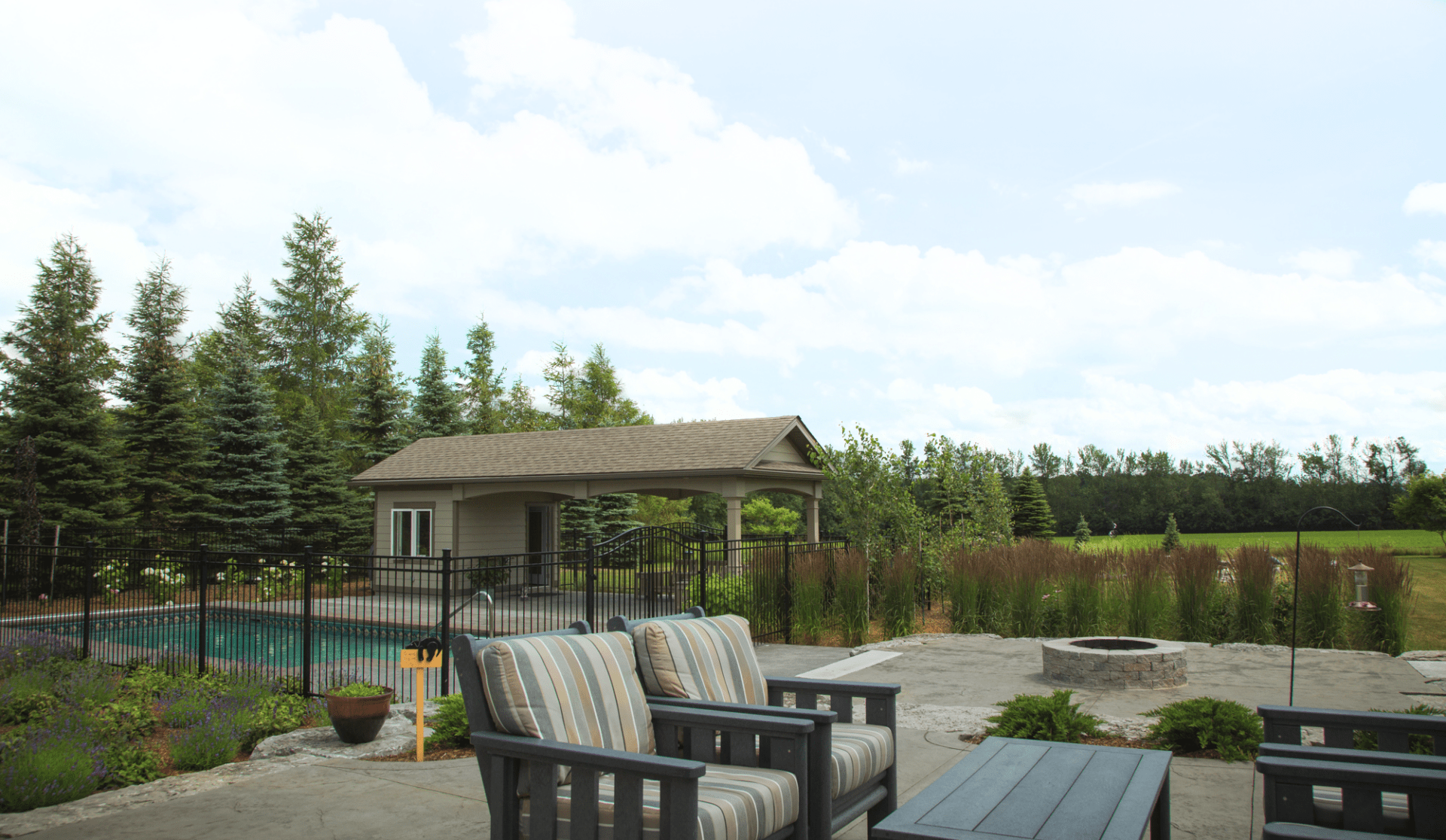
You care about your home. You have worked hard for it. Yet your yard may still feel unfinished or hard to use. You might have a new house with a bare lot. You might be welcoming grandchildren, caring for parents, or stepping into retirement and wanting a peaceful outdoor retreat. This is why choosing to hire a landscape designer can help.
Without a clear plan, the space can stay stuck. Random plantings, pieced-together patios, and short-term fixes can lead to stress. Costs creep up. Decisions pile on. Trades come and go. You spend valuable time managing details rather than enjoying your property.
A thoughtful design-build process like the one provided by Kerr and Kerr Landscaping changes that experience. Design-build means one team plans and builds your landscape from the first conversation to the final walk-through. Your goals, your budget, and your timeline stay connected through every step.
You get one point of contact. You get cohesive planning. You get complete coordination. For a family-run company like Kerr and Kerr Landscaping, that also means you know who is on your property and who will make things right if a concern arises. We started the business in our parents’ living room and carry that personal sense of responsibility into each project and into every design-build process we lead.
Step 1: Define Your Vision And Choose Your Personal Landscape Design Guide
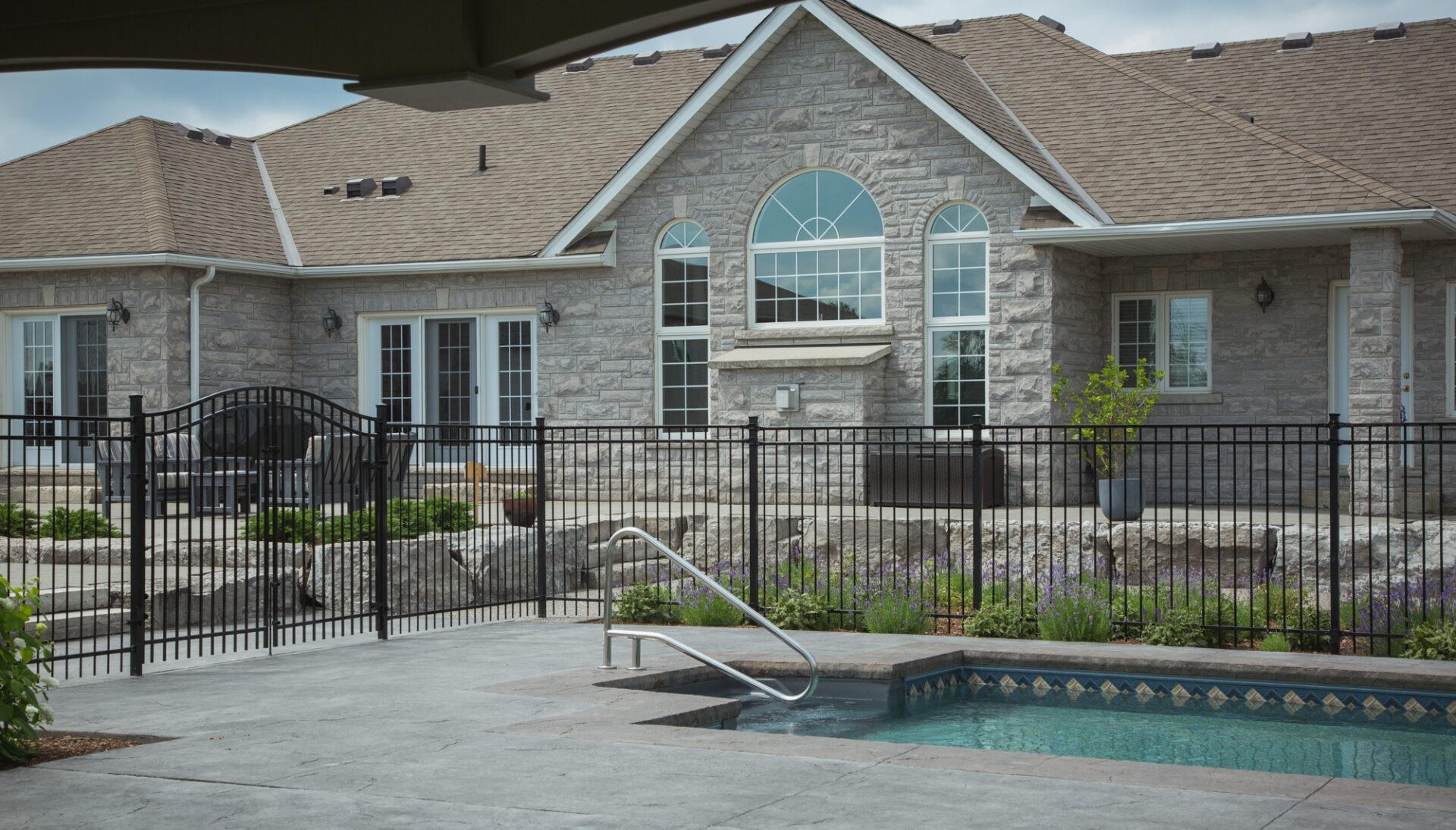
Every successful design-build process starts with your why. Before anyone measures a patio or selects stone, your designer needs to understand what life you want to enjoy outside.
Do you see your space as:
- A quiet corner to read and reset after busy days
- A safe and playful yard for children or grandchildren
- A welcoming setting for family dinners and summer parties
- A low-stress garden that looks good without demanding your weekends
Thinking through these questions turns the design team into your personal landscape design guide. You may arrive with photos you love, notes on how the sun moves across your yard, or a list of things that frustrate you today. All of it matters.
In this first step, you begin to shape priorities. You sort nice to have ideas from must-have features. That clarity sets the tone for the entire design-build process and keeps every later decision tied back to what is most important to you.
Step 2: Initial Consultation When You Are Working With A Landscape Designer
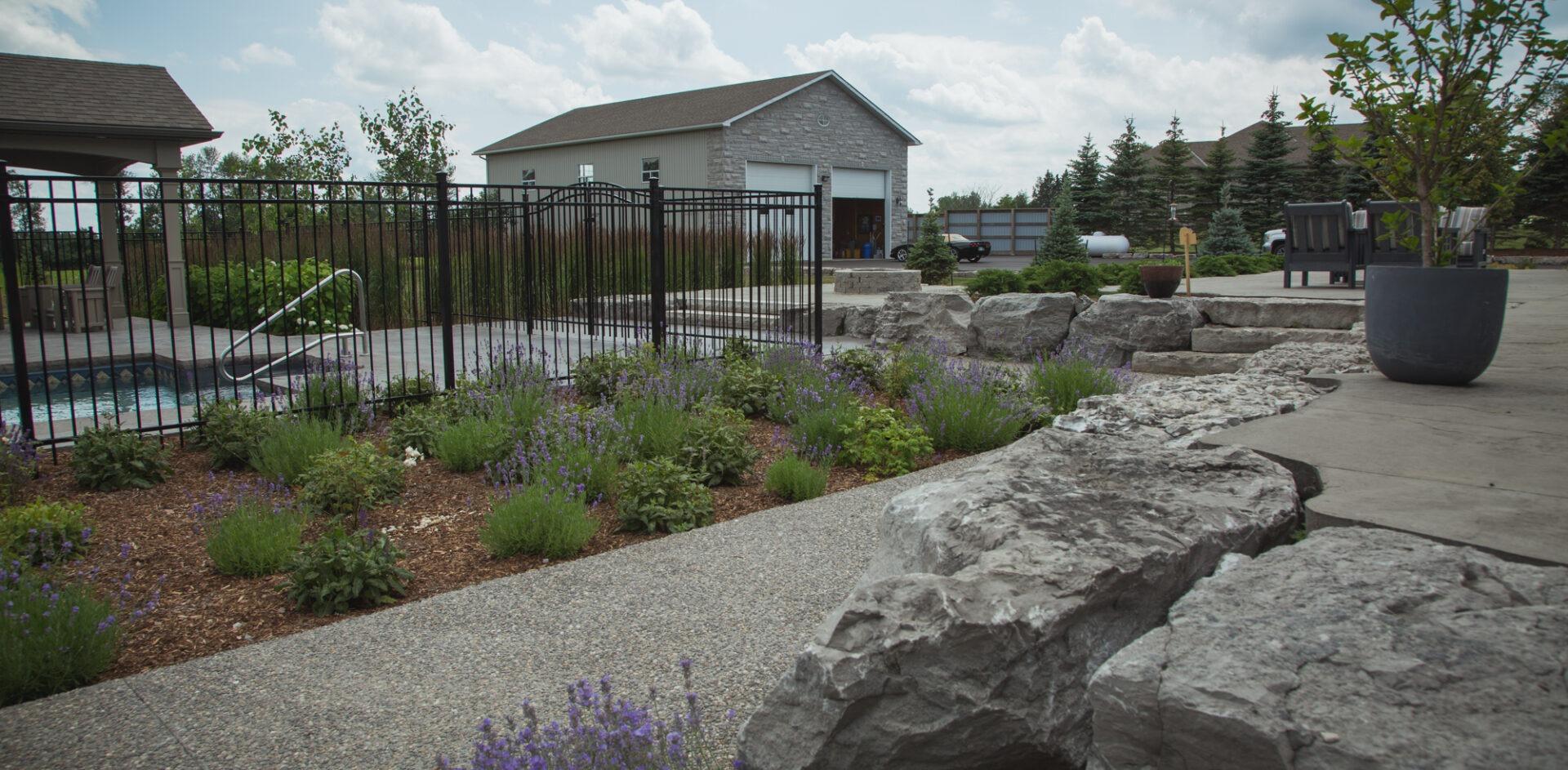
The initial consultation usually takes place at your home. This is where working with a landscape designer becomes very real. You walk through the property together and talk about how you live today and how you would like to live in the future.
During this visit, you can expect to discuss:
- Your wish list, such as patios, walkways, planting beds, lighting, or outdoor kitchens
- Challenges such as privacy concerns, heavy shade, drainage issues, or street noise
- Practical details such as budget, comfort, timing, and how construction might fit with your schedule
Because a complete design-build process keeps design and construction under one roof, these early conversations are grounded in what can actually be built on your site. You receive honest guidance on possibilities and constraints rather than vague promises.
With a family-run team like ours, you also gain a sense of who will be on your property. You meet people who treat your home with respect and who see long-term relationships as part of their work. That trust becomes essential when you hire a landscape designer.
Step 3: Site Assessment
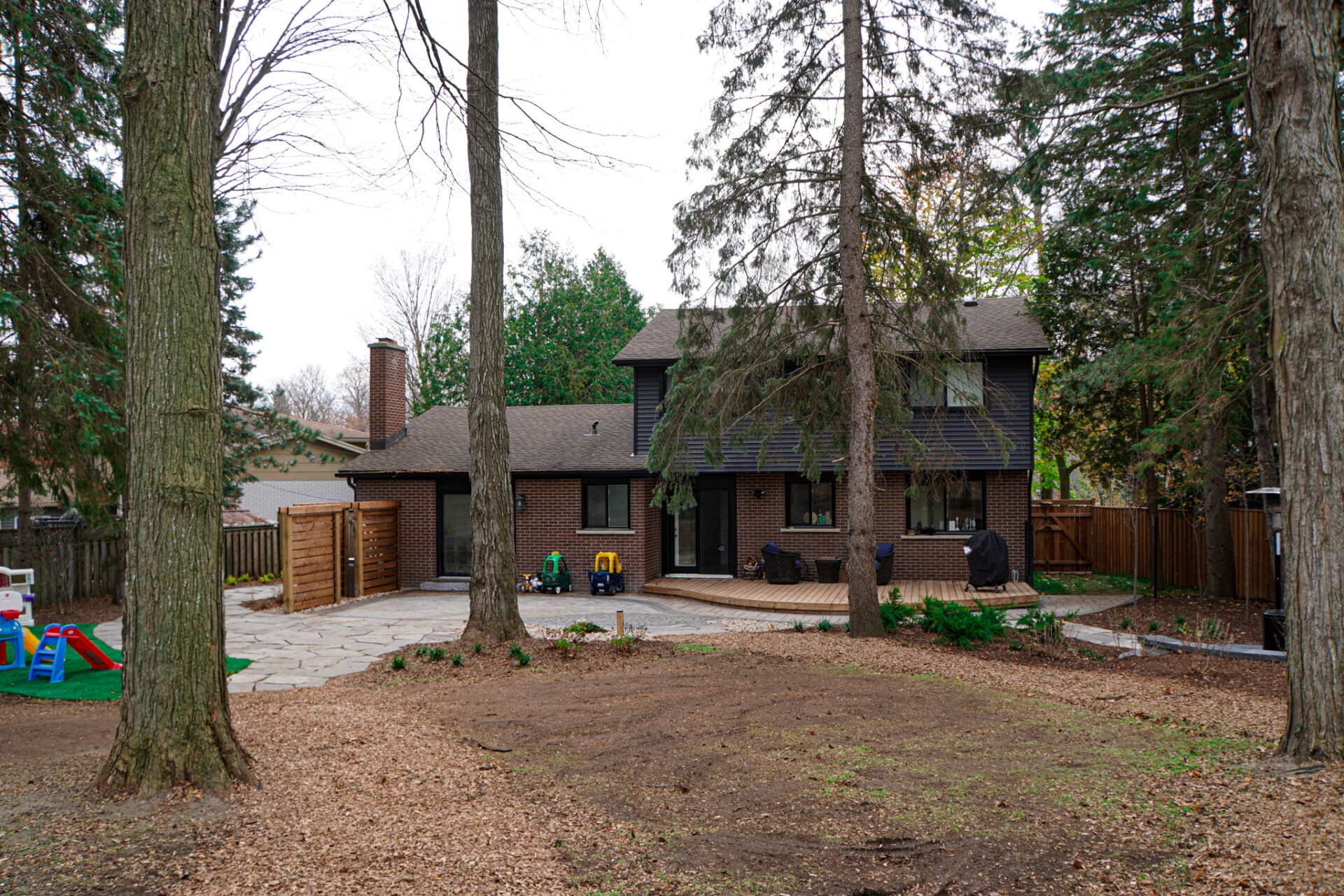
After the first meeting comes a careful site assessment. This is the technical heart of the design-build process. While it may feel quiet compared to drawing plans it has a direct impact on how well your landscape will perform for years to come.
The assessment considers:
- Sun and shade patterns through the day and across the seasons
- Drainage paths and low spots where water collects
- Soil conditions that support or limit certain plants
- Existing features, such as trees, decks, or structures that you plan to keep
How Site Details Shape Your Plan
These details guide decisions about layout, grading, base preparation, and plant selection. Proper drainage reduces pooling water and icy paths. Suitable soil improves plant health. Accurate measurements create patios and walls that stay stable through freeze and thaw cycles.
By taking time for this step, you hire a local landscape designer near you, and you save on costly rework. You gain confidence that the beautiful plan on paper can stand up to real-world conditions on your property.
Step 4: Concept Design And 3D Visualization For Your Outdoor Living Design Process

Next, your landscape designer turns insight into ideas. The concept stage brings your outdoor living design process to life through drawings and often three-dimensional views. You start to see how each part of the yard connects.
A typical concept design may show:
- Patio and seating areas
- Location of outdoor kitchens or fire features
- Planting beds and focal points
- Paths, access routes, and transitions between spaces
With three-dimensional views, you can preview how the house, landscape structures, and plantings relate to one another. You can imagine where people will sit, how they will move, and where your eye will rest.
This is a key moment in the design-build process. You can ask questions, request adjustments, and test ideas while changes are still easy to make. Your designer explains why certain choices support drainage, structure, and comfort. Together, you refine the plan until it reflects your style, your routine, and your priorities.
Step 5: Choosing Materials And Features
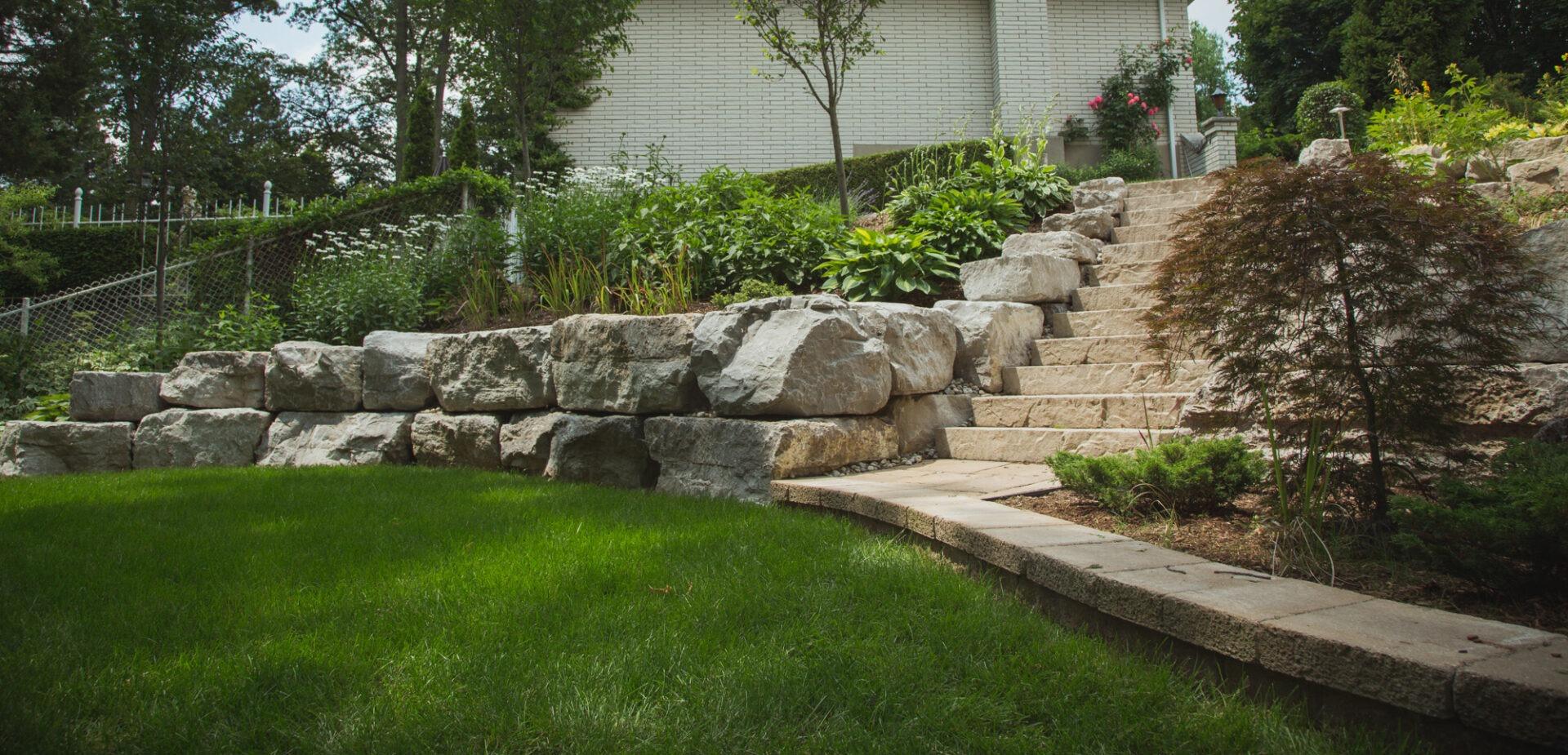
Once you are happy with the concept, you begin choosing finishes. Material selection may feel overwhelming if you are on your own. By working with a landscape designer, you have a knowledgeable partner beside you.
You explore options such as:
- Concrete or natural stone pavers for patios and walks
- Wood or composite for decks and privacy screens
- Plant palettes that balance seasonal colour, texture, and maintenance
- Lighting that improves safety and extends evening use
- Outdoor kitchens, fire features, and water features
We focus on quality material that suits local conditions. You learn how each option will weather over time, what care it will need, and how it fits your budget. Instead of guessing, you make choices that support the long-term vision for your property.
This stage ties every detail back to the plan. Each stone, plant, and fixture has a clear role. The design-build process keeps aesthetic goals and practical needs aligned.
Step 6: Planning And Specifications
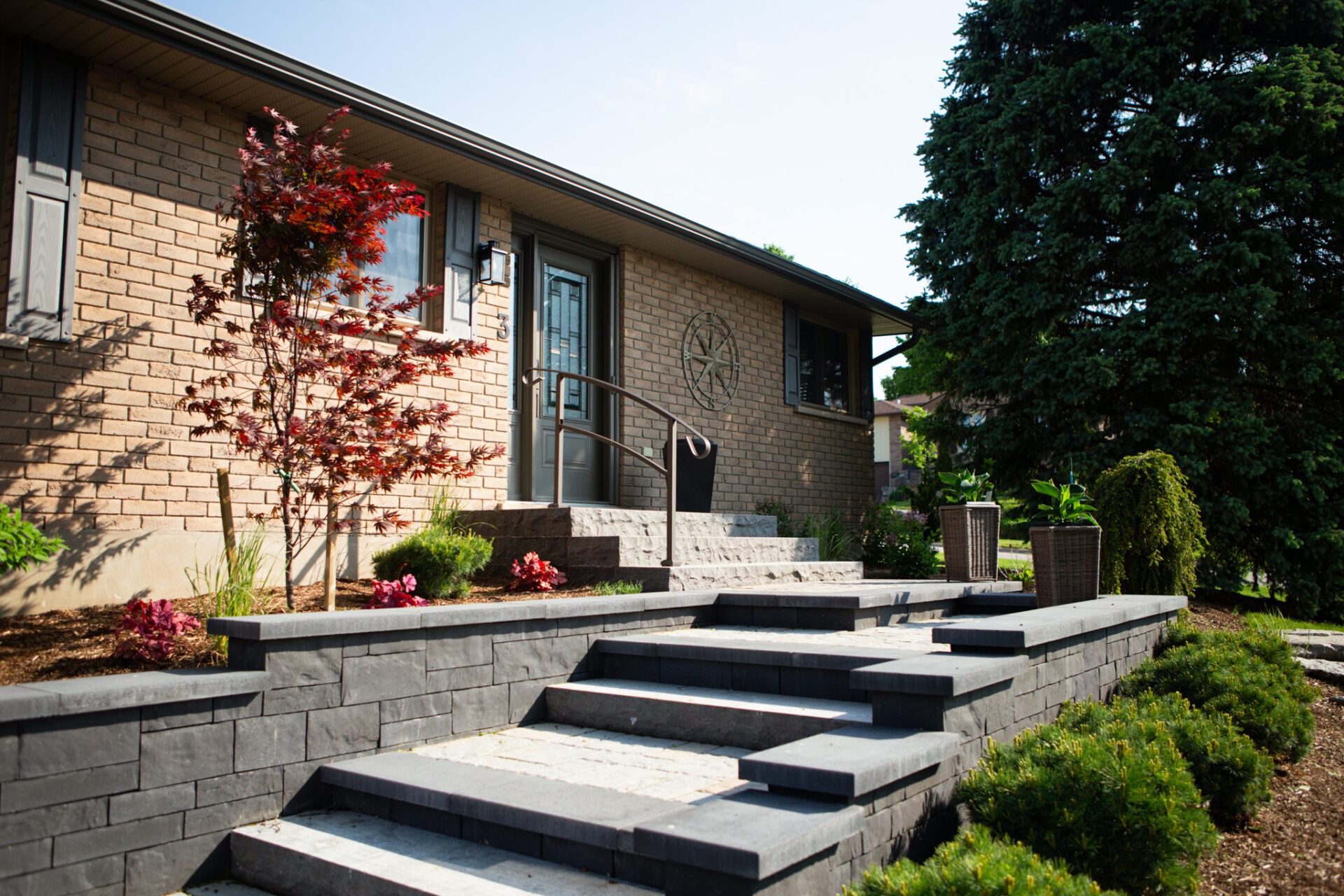
Behind every smooth project lies thorough planning. At this point, your landscape designer turns the agreed concept into detailed specifications. This step of the design-build process may involve technical drawings, construction notes, and coordination with local requirements.
The planning stage often covers:
- Exact dimensions and elevations for patios, walls, and steps
- Base depths and materials for strength and drainage
- Locations for lighting, gas, and electrical components
- Any structural details needed for features such as roofs or pergolas
Protecting Your Investment With A Solid Plan
Clear specifications protect your investment. Crews arrive on site knowing exactly what to build and how to build it. Trade partners work from the same information. There is less room for miscommunication. Fewer surprises mean fewer changes during installation.
Because the same company manages both design and construction, the design-build process reduces gaps between plan and reality. Your budget stays connected to the agreed scope. Your time frame is based on real site knowledge rather than guesswork.
Step 7: Construction And Project Management
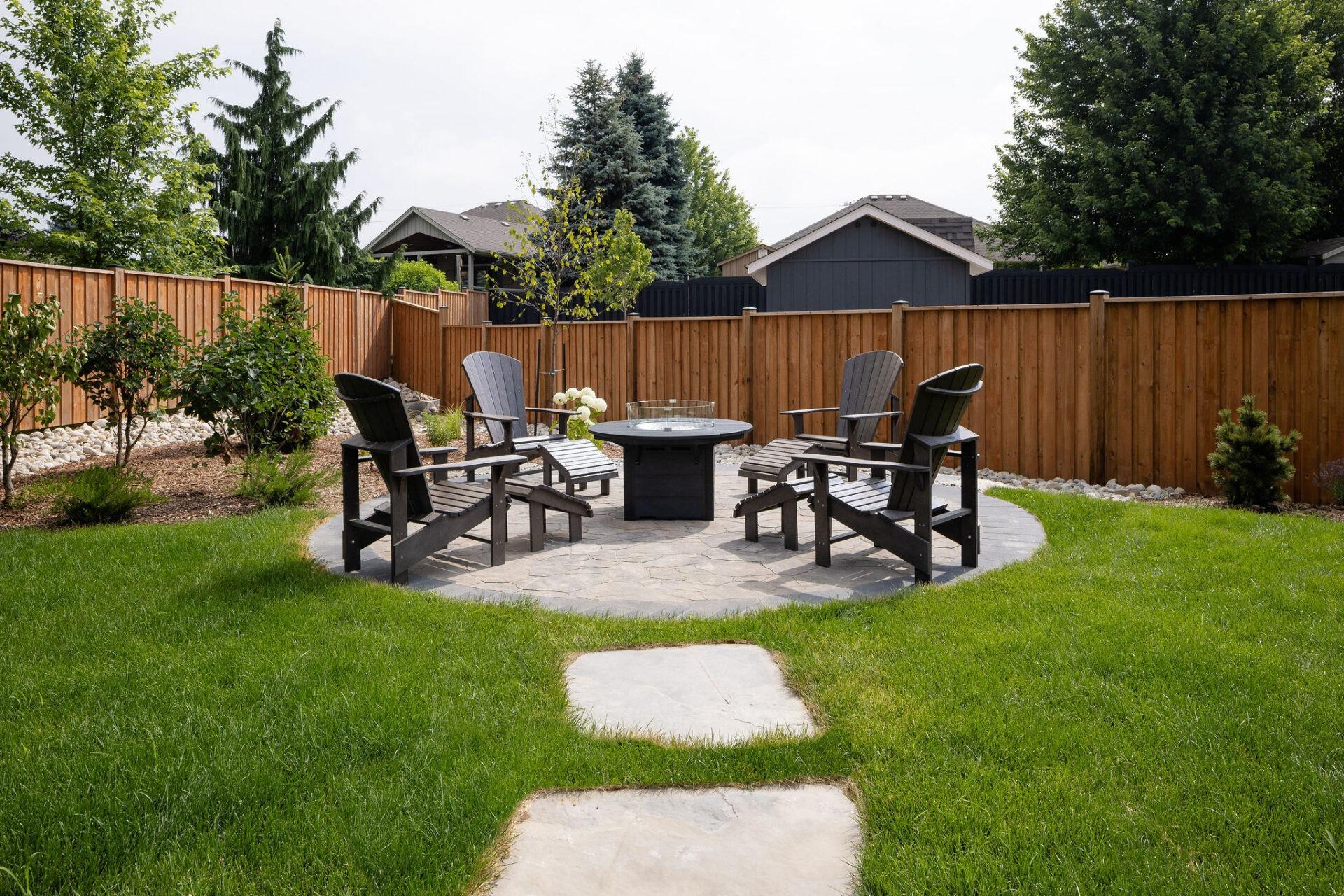
Construction is where your plan becomes a living space. For many homeowners, this is the stage they both look forward to and worry about. A strong design-build process is designed to remove as much stress as possible.
Before work begins, you should expect a clear outline of:
- Start date and projected timeline
- Access points crews will use
- How materials and equipment will be stored
- How the site will be protected and cleaned up
At Kerr & Kerr Landscaping, we take personal responsibility for each project. They prefer not to ask for the final cheque until you feel satisfied with the work. During the build, a project manager or foreman becomes your daily contact. Questions are answered. Updates are shared. Adjustments are discussed before they proceed.
Because design and construction stay within one team, problems do not get passed between companies. If something needs attention, the landscape designer who created your plan is there to address it.
Step 8: Final Walk Through And Ongoing Support
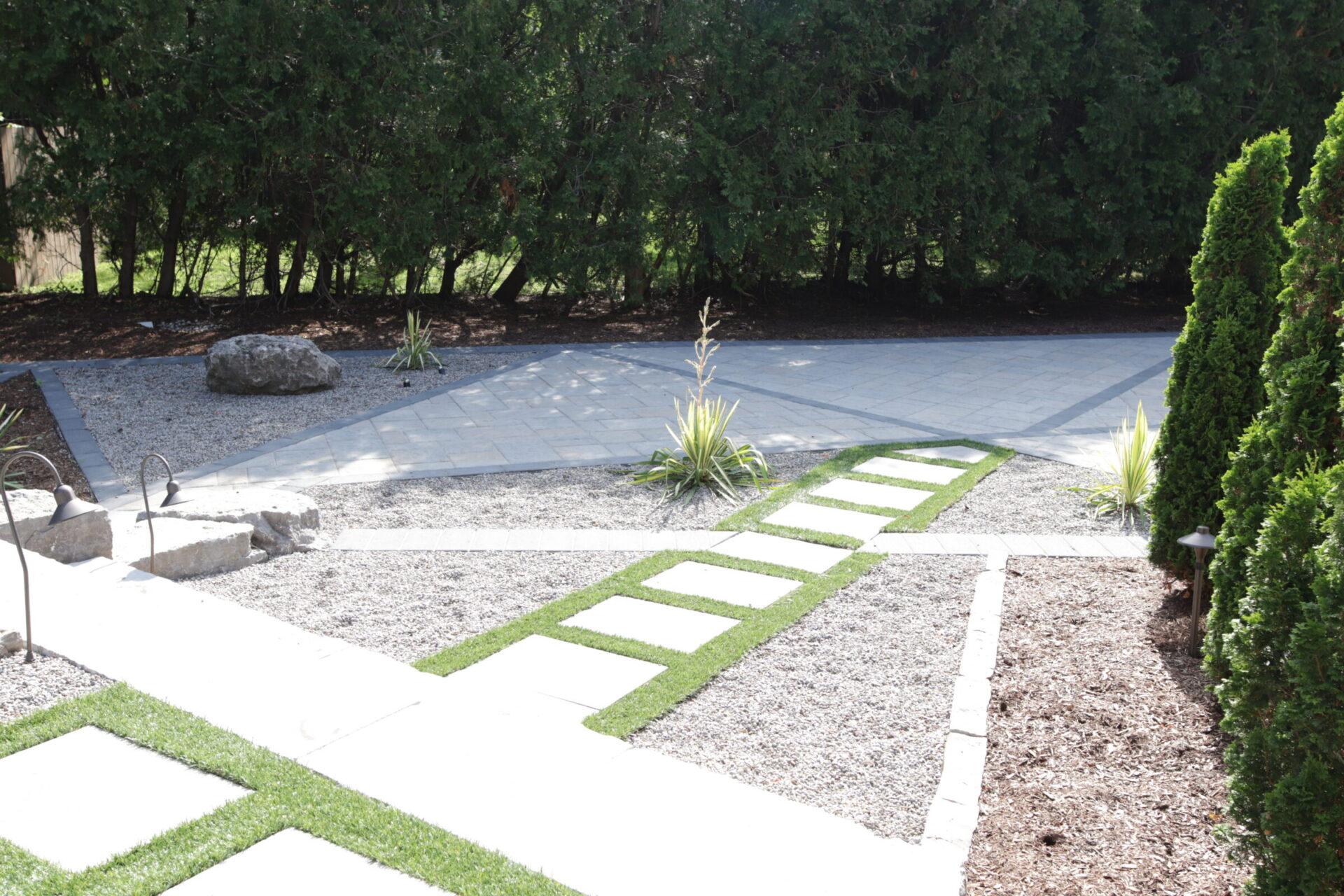
When construction wraps up, you walk the finished space with your designer or project lead. This final step in the design-build process gives you a chance to experience each feature and ask questions on site.
Together, you might review:
- How to operate lighting, water, or fire features
- Care guidelines for new plants, lawns, and trees
- Any seasonal maintenance tasks that will keep surfaces looking their best
- Warranty terms and service options
Kerr and Kerr Landscaping understands the value of long-term relationships. We want you to feel comfortable reaching out after the project. Knowing who to call for advice or guidance on future phases of work is an essential part of ongoing support and a comprehensive design-build process.
Planning Your Next outdoor Project by hiring a landscape designer
When you look at your yard today, you may see untapped potential. You might imagine quiet mornings with coffee, relaxed evenings with friends, or safe play areas for children. Turning those ideas into a refined space begins with a plan that respects both your lifestyle and your property.
You would not build a home, start a business, take a major trip, or make a large purchase without a plan. Your outdoor space deserves the same thoughtful approach. A clear design-build process connects your motivations, your budget, and skilled construction into one guided experience.
If you are ready to explore what is possible with a trusted family-run team that stands behind its work, you can begin with a design consultation and request a quote.
Tags: